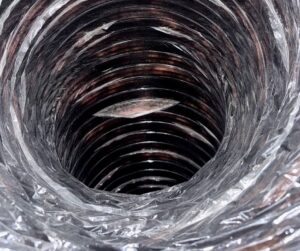
Flex ducting is widely used in residential and light commercial HVAC systems because it is flexible, cost-effective, and easy to install. However, flex duct behaves very differently than rigid metal duct when exposed to aggressive cleaning methods.
Traditional negative air duct cleaning can expose flex duct to pressure levels well beyond manufacturer limits, increasing the risk of collapse, separation, insulation damage, and airflow loss. These issues don’t just affect cleaning results – they can reduce system performance long after the job is finished.
That’s why cleaning methods must be matched to duct material. RamAir International provides a safer alternative with Positive Air Duct Cleaning®, which removes debris while respecting flex duct pressure limits. By working with balanced airflow instead of overpowering the system, the RamAir System helps protect duct integrity, preserve performance, and reduce callbacks.
Below are five reasons HVAC professionals should rethink negative air duct cleaning for flex duct systems:
Flex duct is constructed with a flexible inner core supported by a helical wire and surrounded by insulation. Unlike rigid ductwork, it relies on balance rather than structural rigidity. According to flex duct manufacturers referenced in industry research, most HVAC flex duct is not designed to withstand negative pressure exceeding 1 inch of water column (IWC). When pressure rises beyond that threshold, the duct’s structural integrity can be compromised.
Negative air duct cleaning equipment commonly operates well above this limit. According to research, portable negative air machines typically generate around 5 IWC, while truck-mounted systems can produce 20 IWC or more, exposing flex duct to pressures five to twenty times higher than it was engineered to tolerate.
When flex duct is exposed to excessive negative pressure, damage can occur in multiple ways. The inner core may partially or fully collapse, restricting airflow. The helical support wire can break or detach due to excessive tension or torsion. Insulation layers can compress or peel away because of friction and abrasion during cleaning.
Joints and connections are also vulnerable. Excessive stress can cause them to loosen or leak, allowing conditioned air to escape. Even minor adhesive failures caused by overpressure can allow humidity to migrate into the duct interior, creating conditions favorable for microbial growth. These risks are not theoretical. They are a direct consequence of pressure levels exceeding manufacturer specifications.

The purpose of duct cleaning is to improve system performance, not degrade it. When flex duct loses its shape or seal, airflow becomes uneven and system efficiency suffers. Collapsed sections restrict air movement, while leaks reduce delivered air volume and increase energy loss.
Independent HVAC research shows that when duct systems and HVAC components are cleaned effectively without damage, measurable performance improvements are possible. A multi-climate study found that professional HVAC cleaning resulted in supply airflow increases ranging from 10 percent to 46 percent and fan and blower energy savings between 41 percent and 60 percent, highlighting the importance of maintaining duct integrity during cleaning. These gains depend on the duct system remaining structurally intact. Cleaning methods that deform or damage flex duct can negate these benefits entirely.
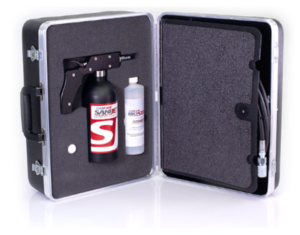
The RamAir Air Duct Cleaning System provides a safer alternative to negative air duct cleaning by removing debris while protecting flex duct integrity, preserving airflow performance, and reducing the risk of callbacks.
Negative air duct cleaning was originally developed for rigid sheet metal duct systems. Applying the same pressure levels to flexible duct ignores fundamental differences in material behavior. Flex duct requires cleaning methods that respect its pressure limits while still removing debris effectively.
Industry research makes it clear that excessive negative pressure is not necessary to achieve cleaning results and that alternative approaches—such as Positive Air Duct Cleaning®—can reduce risk while still delivering meaningful performance improvements. Matching the cleaning method to the duct material is essential for protecting system design and long-term reliability.
For HVAC professionals, the consequences of duct damage often show up later. Reduced airflow, comfort complaints, unexplained efficiency loss, or microbial concerns can emerge weeks or months after cleaning. These issues increase callbacks and undermine customer confidence.
At RamAir, we believe duct cleaning should balance effectiveness with material safety. Cleaning approaches that control airflow rather than overpower the system—like the RamAir Positive Air Duct Cleaning® method—help protect flex duct integrity while still delivering results customers can see and feel. This leads to fewer callbacks, more consistent performance, and stronger professional credibility.
At RamAir, we design air duct cleaning systems, tools, and training with one purpose in mind: to provide safe, strong, reliable cleaning solutions that work with duct materials rather than against them. Our ClearView duct cleaning systems and accessories are built to balance effective cleaning power with respect for the structural limits of the systems you service, including flex duct systems that are sensitive to excessive negative pressure.
By understanding how pressure interacts with duct materials and by choosing equipment engineered for performance and durability, your business can deliver better outcomes for clients, enjoy fewer callbacks, and build a reputation for doing professional work the right way. Contact RamAir today to learn how the RamAir Air Duct Cleaning System can support safer, more effective duct cleaning.